Teaching Kids That Checkups Aren’t Something to Fear

Many parents dread the moment they have to tell their child it’s time for a checkup, bracing for tears or a flat-out refusal to get in the car. The good news is that fear of medical and dental visits is almost always learned, not innate, which means it can be unlearned too. With the right words, timing, and preparation, you can help your child see checkups as a normal, even positive, part of life. This guide walks through practical ways to build that confidence from the very first appointment onward.
Start the Conversation Before the Appointment Day
Kids feel less anxious when they know what’s coming, so talk about the upcoming visit a day or two in advance rather than springing it on them. Keep the language simple and factual, describing the visit as a chance for the doctor or dentist to make sure their body is healthy and strong. Avoid words like “shot” or “drill” that can plant fear, and instead focus on the purpose of the visit.
Reading a picture book about doctor or dentist visits can also normalize the experience in a low-pressure way. Role-playing at home, where your child takes turns being the patient and the provider, gives them a sense of control over the situation. This kind of rehearsal reduces the unknown, which is usually the biggest source of childhood anxiety.
- Use neutral, calm language when describing what will happen
- Choose age-appropriate books or videos about checkups
- Practice role-play with a stuffed animal as the “patient”
- Let your child ask questions and answer them honestly
- Avoid last-minute surprises about the appointment
Choose a Provider Who Specializes in Working With Children
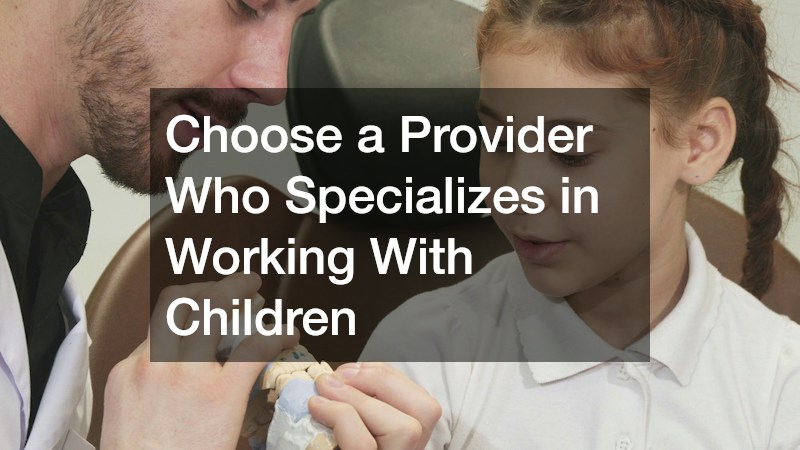
The environment and the person delivering care make a huge difference in how a child experiences a checkup. A pediatric provider trained to work with young patients will typically use gentler communication, slower pacing, and distraction techniques that ease nervousness. For dental visits specifically, seeking out a kids dentist rather than a general family practice can set the tone for a lifetime of positive associations with oral health. These specialists often design their offices with bright colors, toys, and friendly staff who are skilled at explaining procedures in terms children can understand.
Beyond the physical space, pediatric specialists are trained in behavioral techniques that reduce fear without resorting to punishment or bribery. They know how to read a child’s body language and adjust their approach on the spot. This specialized skill set is often the single biggest factor in whether a child grows up comfortable with routine care or avoids it as an adult.
Explain What Happens During a Typical Visit
Uncertainty breeds fear, so walking your child through the actual steps of a checkup can demystify the process. Most routine visits follow a predictable pattern, and once kids learn that pattern, they stop expecting something scary around every corner. Explaining the sequence also gives children something to look forward to, like a sticker or a fun conversation with the provider.
It helps to frame each step as something the provider is “checking” rather than “doing to” the child, which shifts the power dynamic in a reassuring way. Over time, repeated exposure to this same structure builds familiarity and trust. Children who understand the process tend to sit still more easily and cooperate without prompting.
- Height, weight, and vital signs are measured first
- The provider looks, listens, and asks simple questions
- Any necessary tools are shown and explained before use
- The visit usually ends with a recap and a reward or praise
- Parents are encouraged to stay nearby for comfort
Address Dental-Specific Worries Early On
Dental visits carry their own unique set of fears, often tied to noise, bright lights, or the sensation of hands and tools in the mouth. Introducing children to the dental chair and tools in a playful, non-threatening way can prevent these fears from taking root. Many practices now offer a first visit that’s just for looking around and meeting the team, with no actual treatment involved, which can make a world of difference for anxious kids.
For children who need more advanced treatment, modern options have made procedures far less intimidating than they used to be. For example, laser gum therapy is now used in some pediatric cases to treat gum issues with less discomfort, less bleeding, and a faster recovery than traditional methods. Knowing that today’s tools are designed with comfort in mind can also ease a parent’s own anxiety, which kids tend to pick up on. When children sense that their caregiver is relaxed, they’re far more likely to mirror that calm.
Reinforce Positive Behavior Without Using Bribery
Praise and encouragement go a long way toward building a child’s confidence around checkups, but the way you deliver that praise matters. Instead of offering a toy only if they behave, try acknowledging bravery and cooperation throughout the visit itself. This teaches kids that their effort and courage are valuable on their own, not just a means to a reward.
Consistency after the appointment also reinforces the lesson that checkups are simply a normal part of life, not a big event requiring celebration or dread. A quick, genuine comment about how proud you are can do more than an expensive gift. Over multiple visits, this steady reinforcement builds a lasting sense of competence and calm.
- Praise specific behaviors, like sitting still or answering questions
- Avoid promising rewards only for “good” behavior
- Keep post-visit treats small and occasional, not expected
- Point out progress compared to previous visits
- Model calm behavior yourself before and during the appointment
Helping kids see checkups as routine rather than frightening takes patience, consistency, and the right support system. By preparing them ahead of time, choosing providers who specialize in pediatric care, and reinforcing calm behavior without bribery, you set the stage for a lifetime of healthy habits. Start with the next scheduled appointment as an opportunity to practice these strategies rather than waiting for a perfect moment. Small, steady steps now will pay off in a child who approaches their health with confidence instead of fear.