How to Choose a Towing Company for Your Commercial Fleet
Managing a commercial fleet means constantly fighting against downtime. Every minute one of your delivery vans, semi-trucks, or specialized utility vehicles sits broken down on the shoulder of a highway, your organization is hemorrhaging money. Breakdowns, blown tires, and accidents are an inevitable reality of commercial logistics, but being stranded for hours because you do not have a reliable recovery plan is a choice.
Waiting until a crisis occurs to search for a rescue provider is a recipe for predatory pricing, damaged assets, and infuriated clients. When a dispatcher or a driver is panicking on the side of the road, they are not comparing corporate rates or verifying insurance minimums; they are simply calling the first number that appears on their smartphone. This reactive approach leaves your fleet vulnerable to exorbitant emergency fees, delayed response times, and operators who may not possess the specialized training required to move your specific type of freight.
You need a dedicated logistics partner vetted long before the emergency happens. Building a corporate relationship with a dedicated recovery provider ensures predictable response times, transparent billing, and the safe transport of high-value assets. This comprehensive guide will walk you through a strict, uncompromising vetting process. By analyzing a provider’s fleet capacity, safety records, technological capabilities, and contract transparency, you can secure a partnership that protects your bottom line and keeps your supply chain moving.
Catalog Your Vehicle Weight Classes and Operating Routes
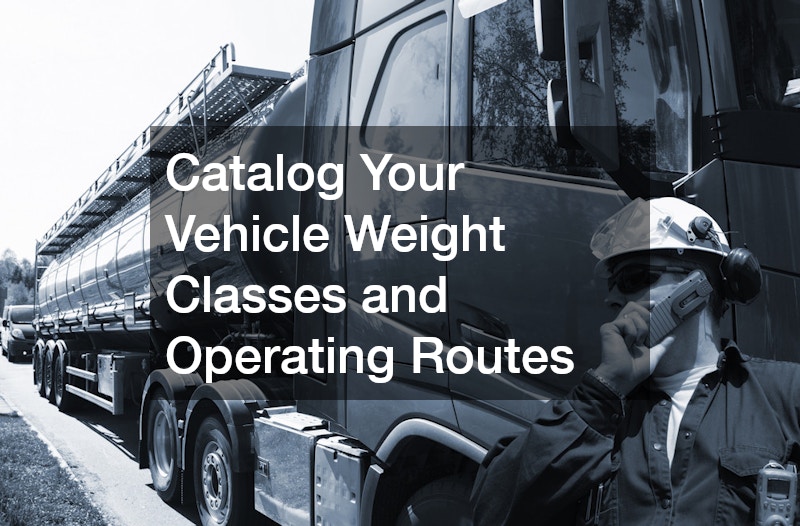
The first step in selecting a commercial recovery partner has nothing to do with interviewing vendors; it requires a deep, internal audit of your own logistics network. You cannot effectively hire a vendor if you do not understand the exact mechanical and geographical demands of your own fleet. Providers specialize in different weight classes, and assuming a vendor can handle a loaded tractor-trailer just because they handle your sales sedans is a costly mistake.
Audit Your Entire Fleet from Sedans to Semi-Trucks
Before you make a single phone call, instruct your fleet management team to create a comprehensive spreadsheet detailing the physical specifications of every vehicle in your portfolio. This document should include the Gross Vehicle Weight Rating (GVWR), the overall length, the height clearance, and the typical cargo weight for each asset.
- Determine your weight classes: Commercial vehicles range from Class 1 (light-duty pickup trucks and sedans) all the way to Class 8 (severe-duty semi-trucks and cement mixers). You must present this data to potential vendors to see if their fleet matches your profile.
- Account for specialized chassis: If your fleet includes vehicles with unique dimensions—such as extended-wheelbase delivery step-vans, low-clearance transit buses, or trucks with delicate aerodynamic skirting—document these details.
- Seek a unified solution: It is highly advantageous to find a comprehensive towing company capable of handling the entire spectrum of your fleet. Fragmenting your recovery protocols among multiple vendors creates administrative nightmares for your dispatchers and complicates your monthly accounting.
Separate Daily Commuter Rescues from Industrial Transport
A massive logistics operation often consists of support vehicles as well as primary freight movers. A regional sales manager stranded in a company sedan requires a vastly different response protocol than an axle failure on a loaded refrigerated box truck carrying perishable goods.
- Categorize your response needs: Group your vehicles into high-priority freight assets and lower-priority support vehicles. Establish internal protocols for how quickly each category must be recovered.
- Evaluate rapid-response capabilities: Finding a provider who excels at both rapid-response light towing service for passenger cars and massive commercial recoveries keeps billing centralized. Your vendor should be able to dispatch a standard flatbed for a flat tire on a commuter car just as efficiently as they deploy a massive wrecker for a commercial accident.
- Assess their triage protocols: Ask the vendor how they prioritize incoming calls. If your loaded delivery truck is blocking a major intersection, you need assurance that your call will take precedence over a minor residential jumpstart.
Cross-Reference Their Footprint with Your Delivery Radius
A vendor’s capability means nothing if they cannot reach your disabled vehicle in a reasonable timeframe. Your recovery partner’s geographical footprint must align perfectly with your most heavily trafficked delivery routes.
- Map your high-risk zones: Identify the highways, mountain passes, and urban centers where your fleet experiences the highest volume of breakdowns or accidents.
- Verify physical yard locations: Ask potential vendors for the physical addresses of their impound yards and dispatch centers. A provider might claim they service a 100-mile radius, but if they only have one yard on the far side of the state, you will be paying massive deadhead mileage fees just to get their truck to your location.
- Inquire about affiliate networks: The best providers often have contracted partnerships with other regional operators. If your truck breaks down slightly outside their primary coverage zone, a strong vendor will seamlessly dispatch a vetted affiliate to rescue your driver while maintaining your contracted corporate rates.
Evaluate the Dispatch Capabilities and Asset Inventory
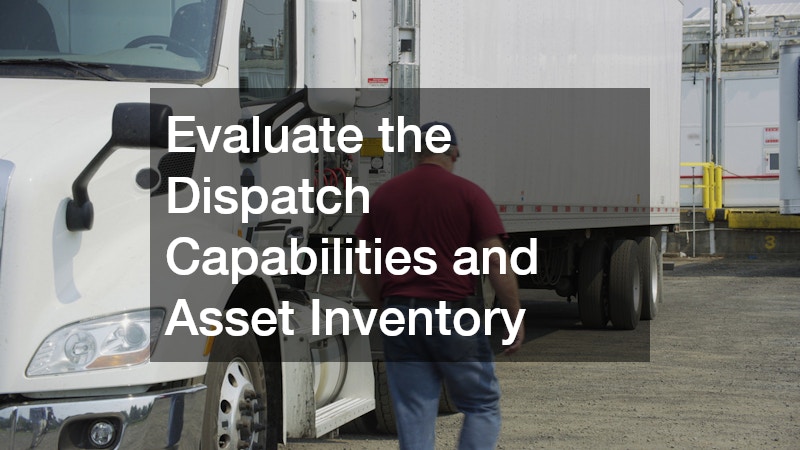
Once you have defined your fleet’s needs, you must rigorously investigate the vendor’s actual physical and operational capabilities. Marketing brochures and website claims are often exaggerated. You must demand hard proof that the vendor owns the right machinery and employs the right logistical personnel to support a high-volume commercial contract.
Request a Full Roster of Available Recovery Vehicles
Never take a vendor’s marketing claims at face value. A provider might advertise that they handle large commercial accounts, but their actual fleet may consist of aging, undersized equipment.
- Demand an asset list: Ask the provider for a physical inventory list of their fleet. This should outline the make, model, year, and lifting capacity of every wrecker they operate.
- Match their assets to your liabilities: Cross-reference their equipment list with your internal fleet audit. If your operation relies heavily on fully loaded Class 8 semi-trucks, but the vendor only owns one multi-axle wrecker, they do not have the redundancy required to service your account reliably.
- Avoid the undersized response: There is nothing more frustrating than waiting two hours for a tow truck, only to watch a standard flatbed pull up to a stranded 26-foot box truck. This mismatch results in the driver having to call dispatch again, further delaying the recovery and risking further damage to your asset if an improper lift is attempted.
Test the Overnight Dispatch Center for Responsiveness
Commercial freight does not stop moving at 5:00 PM, and neither do breakdowns. If your fleet operates through the night, your recovery partner must have a robust, fully staffed overnight operation.
- Conduct an after-hours test: Call the provider’s dispatch line at 2:00 AM on a weekend. You are evaluating whether the call is answered by a live, local operator who knows the geography, or if it is routed to a frustrating, offshore answering service that merely takes messages.
- Evaluate their overnight fleet: It is not enough to have a dispatcher awake; they must have drivers actively on shift. Ask how many operators are actually in their trucks during the graveyard shift versus how many are simply “on call” sleeping at home.
- The necessity of immediate deployment: True heavy duty towing contracts require immediate deployment capabilities. If a commercial rig is involved in a nighttime accident, local law enforcement will not wait an hour for a driver to wake up and drive to the yard; they will call a competitor to clear the road, and you will be stuck paying off-contract impound fees.
Verify Capacity for Fully Loaded, Overweight Trailers
Transporting an empty tractor-trailer is a relatively straightforward process for most commercial providers. However, transporting a trailer loaded with 40,000 pounds of freight is a highly complex engineering challenge that requires specific equipment and expertise.
- Ask about loaded capacities: Inquire specifically about their ability to transport a loaded tractor-trailer without having to offload the cargo onto the shoulder of the highway first.
- Look for severe-duty chassis: Moving maximum-weight loads requires specialized multi-axle wreckers built on severe-duty chassis to handle the immense tongue weight without lifting the wrecker’s front steering axle off the ground.
- Discuss emergency transloading: In the event that a trailer is structurally compromised and cannot be moved, ask if the vendor has the manpower, forklifts, and portable loading docks necessary to perform a roadside transload, moving your precious cargo from the broken trailer into a rescue trailer safely.
Scrutinize Safety Records and Corporate Liability
When you hand over the keys to a disabled commercial vehicle, you are entrusting that vendor with an asset worth hundreds of thousands of dollars, not to mention the value of the cargo inside. If the vendor causes further damage during the recovery or gets into an accident while transporting your truck, your company could be pulled into a massive liability lawsuit. Vetting their safety culture and insurance coverage is absolutely non-negotiable.
Demand Proof of Comprehensive Cargo and Garage Keeper’s Insurance
A handshake agreement and a verbal promise of “we are fully insured” are entirely insufficient in the commercial logistics space. You must verify their financial safety net through official channels.
- Request a direct Certificate of Insurance: Do not accept a photocopied insurance document from the vendor. Instruct the provider to have their insurance broker email a Certificate of Insurance (COI) directly to your risk management department to ensure the policy has not lapsed.
- Verify “On-Hook” coverage: Standard commercial auto insurance does not cover the vehicle being pulled behind the wrecker. You must verify they carry substantial “On-Hook” coverage that matches or exceeds the replacement value of your most expensive asset.
- Check Garage Keeper’s Liability: If your disabled vehicle must be stored at their impound lot overnight, their Garage Keeper’s Liability policy is what protects your asset against theft, vandalism, or fire while it sits on their property. A legitimate towing business carries multi-million dollar umbrella policies specifically to protect their commercial clients from these massive financial liabilities.
Investigate Their Department of Transportation Safety Rating
The federal government keeps meticulous records of commercial motor vehicle operators. You can and should use this public data to vet the safety culture of your potential partner.
- Look up the DOT number: Use the Federal Motor Carrier Safety Administration (FMCSA) Safety Measurement System (SMS) portal to look up the provider’s Department of Transportation number.
- Analyze the public data: This portal will reveal a history of unsafe driving violations, hours-of-service compliance issues, vehicle maintenance failures, and a log of any reportable crashes their fleet has been involved in.
- Identify chronic issues: If you notice a pattern of citations for bald tires, broken brake lights, or fatigued drivers, walk away immediately. A vendor that does not maintain their own fleet cannot be trusted to safely transport yours.
Audit Their Driver Training and Industry Certifications
Operating a 50-ton wrecker is a highly technical skill that requires an understanding of physics, weight distribution, and rigging geometry. It is not an entry-level position.
- Demand continuing education: Look for vendors who mandate continuous education for their operators. Programs like the WreckMaster certification offer tiered levels of training, ensuring operators know how to calculate working load limits and execute complex recoveries without tearing the frame of your vehicle apart.
- Check for Hazmat endorsements: If your fleet transports chemicals, fuels, or hazardous materials, your recovery vendor’s operators must carry the appropriate Hazmat endorsements on their Commercial Driver’s Licenses (CDL) to legally transport your disabled vehicle.
- Evaluate heavy machinery capabilities: Moving articulated loaders, bulldozers, or industrial forklifts through tight urban environments or active construction sites requires highly trained operators who specialize in complex equipment towing and hauling. Ask for specific case studies or references related to moving heavy industrial machinery to verify their competence.
Inspect the Technology Used for Complex Recoveries
The modern recovery industry has evolved far beyond a simple hook and a steel chain. Today’s commercial recoveries require sophisticated hydraulic machinery, pneumatic lifting bags, and integrated software systems. Partnering with a vendor who invests heavily in state-of-the-art technology ensures your assets are recovered faster, with significantly less risk of secondary damage.
Check for Advanced Rotator and Boom Capabilities
When a commercial vehicle rolls over down a steep embankment or jackknifes across a busy interstate, standard wreckers are often useless. You need massive, specialized machinery to clear the scene safely and efficiently.
- Inquire about rotator availability: Ask if the provider owns a rotator. A rotator is a massive wrecker equipped with a crane-like boom that can rotate a full 360 degrees.
- Understand the logistical advantage: Rotators are essential for clearing highway blockages because they can set up in a single lane of traffic and lift heavy loads from the side, whereas traditional wreckers must back up perfectly straight to the load, often requiring the police to shut down the entire highway.
- Ensure elite capabilities: Overturned semi-trucks, sunken excavators, or trailers stuck in deep mud require elite heavy towing services that only a fraction of providers can legally and safely execute. If a vendor does not own a rotator, they will have to subcontract the work during a major accident, costing you vital time and money.
Look for Damage-Free, Under-Reach Transportation Methods
The way a vendor physically attaches their wrecker to your commercial vehicle dictates whether your truck will require additional repairs after the tow. Outdated methods cause thousands of dollars in hidden damage.
- Mandate wheel-lift and frame fork systems: Ensure the vendor utilizes modern under-lift systems. These hydraulic arms reach under the disabled truck, secure the front steering axle or frame rails with specialized forks, and lift the vehicle from its strongest structural points.
- Ban hook-and-chain methods: Outdated hook-and-chain methods should never be used on modern commercial vehicles. Wrapping chains around a bumper or a delicate suspension component will crush the bodywork, snap air brake lines, and bend tie rods during transit.
- Prioritize asset integrity: Explain to your potential vendors that investing in state-of-the-art towing and recovery equipment is a prerequisite for winning your contract. It proves the provider prioritizes the physical integrity of your expensive assets over taking quick, careless shortcuts on the side of the highway.
Inquire About Real-Time GPS Tracking Integration
In the fast-paced logistics industry, information is just as valuable as the physical recovery itself. When a vehicle breaks down, your dispatchers and customer service representatives need real-time data to update expecting clients.
- Demand digital visibility: Only partner with vendors who offer a digital portal, an API integration, or a live tracking link. Your logistics team should be able to monitor the exact GPS location of the wrecker en route to the breakdown, as well as track your disabled vehicle while it is in transit to the repair shop.
- Streamline communication: Real-time tracking eliminates the need for your dispatchers to make constant, frustrating phone calls asking for ETA updates. It allows your team to proactively adjust delivery schedules and reroute replacement trucks with pinpoint accuracy.
- Digital invoicing and documentation: Modern providers equip their drivers with tablets, allowing them to take digital photographs of the disabled vehicle prior to the tow, capturing pre-existing damage. This protects both you and the vendor from liability disputes and ensures invoices are generated and emailed instantly upon job completion.

Negotiate Transparent Contracts and Corporate Rates
The final phase of vetting a commercial recovery partner is formalizing the financial relationship. Emergency recovery rates are notoriously volatile; a breakdown during a blizzard or a holiday weekend can result in a bill that is triple the standard rate. By establishing a Master Service Agreement (MSA) ahead of time, you eliminate this volatility and protect your operational budget.
Establish a Dedicated Corporate Account Manager
A high-volume commercial fleet cannot afford to be treated like a random, one-off retail customer calling in from the highway. You require a dedicated representative who understands your business model intimately.
- Demand a single point of contact: Ensure your fleet is assigned a dedicated corporate account manager. This individual should be responsible for handling dispatch escalations, managing your vehicle roster updates, and resolving any service disputes quickly.
- Streamline your accounting: Instead of dealing with dozens of individual receipts handed to your drivers on the side of the road, your account manager should consolidate all monthly activity into a single, clean invoice.
- Recognize true corporate infrastructure: Point out to your procurement team that having a dedicated representative separates elite, corporate-focused towing companies from disorganized, amateur operations that lack the administrative bandwidth to support a B2B relationship.
Lock In Predictable Hourly Rates and Storage Fees
The primary goal of a corporate contract is financial predictability. You must strip away all the hidden fees and surge-pricing tactics that plague the emergency recovery industry.
- Itemize every potential cost: Sit down with the vendor and clarify every single line item in writing. You need a locked-in rate for the initial hookup fee, the per-mile transit rate, and the hourly cost for complex winch-outs or accident recoveries.
- Negotiate impound storage limits: If your disabled truck must be towed to the vendor’s yard because the repair shop is closed for the weekend, you will incur daily storage fees. Negotiate a capped or discounted daily storage rate for your corporate assets, and ensure there are no hidden “gate fees” just to access your vehicle to retrieve cargo.
- Protect against surge pricing: Explain that locking in these rates protects your operational budget from the predatory, surge-pricing tactics often seen in emergency, off-contract towing services. Your contracted rate should apply whether the breakdown happens at noon on a Tuesday or 3:00 AM on Christmas Eve.
Review the Service Level Agreement for Guaranteed Turnarounds
A great rate means nothing if the vendor takes six hours to arrive at the breakdown scene. Time is money, and your contract must hold the vendor accountable for their speed.
- Establish Key Performance Indicators (KPIs): Put hard numbers into your Service Level Agreement (SLA). Establish a maximum allowable ETA—for example, a guarantee that a wrecker will be on the scene within 60 to 90 minutes of the initial call within your primary service radius.
- Implement financial penalties: A guarantee requires enforcement. Outline specific financial penalties or invoice discounts if the provider consistently fails to meet these response time metrics.
- Schedule quarterly reviews: A corporate partnership is a living document. Schedule quarterly meetings with your account manager to review the response times, discuss any damage claims, and adjust the vehicle roster as your fleet grows.
Managing fleet breakdowns is not about eliminating the unexpected; it is about completely controlling your response to it. The highways will always be unpredictable, and mechanical failures will always occur, but the chaos that usually follows a breakdown is entirely preventable. By securing a reliable, heavily vetted recovery partner, you transform a potential logistical disaster into a highly controlled, predictable operational procedure.
The return on investment for performing this due diligence is massive. Spending a few weeks deeply vetting providers, checking their insurance policies, inspecting their heavy machinery, and negotiating firm corporate rates will save your organization thousands of dollars and hundreds of lost hours over the fiscal year. It protects your brand’s reputation for reliability and ensures your drivers feel safe and supported when things go wrong on the road.
Take action before the next breakdown occurs. Pull your vehicle roster today, outline your most heavily trafficked routes, and start scheduling interviews with local recovery vendors. By building a bulletproof logistics safety net now, you ensure your fleet remains moving, profitable, and secure.