Rebuilding Daily Routines After a Major Health Setback
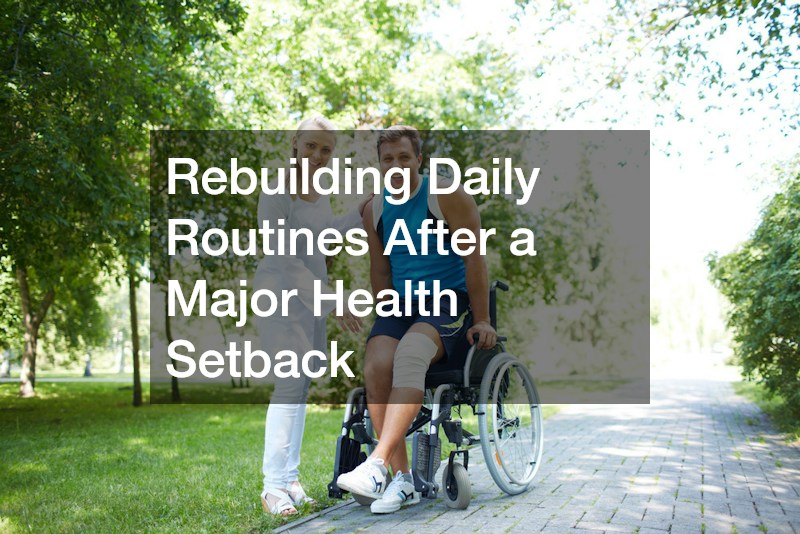

A major health setback can upend even the simplest parts of daily life, turning routines you once took for granted into daily challenges. Whether you’re recovering from surgery, a serious illness, or an extended hospital stay, the path back to normalcy often feels overwhelming and unclear. The good news is that recovery isn’t something you have to figure out alone or all at once. With the right structure, support, and small daily wins, it’s possible to rebuild a routine that feels stable, manageable, and genuinely yours again.
Assess What Your Body Can Handle Right Now
Before rebuilding any routine, it helps to get an honest picture of your current physical and mental capacity rather than comparing yourself to your pre-illness self. Recovery is rarely linear, and pushing too hard too soon can set back progress or trigger new complications. Start by tracking your energy levels at different times of day for about a week, noting when you feel strongest and when you need rest. This simple exercise gives you a realistic baseline to build your new schedule around instead of guessing.
It’s also worth discussing your limitations openly with your care team so expectations are grounded in medical reality. They can help you identify which activities are safe to resume immediately and which need to wait. Being honest about pain, fatigue, or cognitive fog now prevents frustration later when a routine doesn’t match your actual abilities.
Create a Flexible Daily Schedule Instead of a Rigid One

Many people recovering from a health crisis try to jump back into their old nine-to-five structure, only to feel defeated when they can’t keep up. A better approach is building a loose framework with anchor points, like waking, meals, and sleep, while leaving room for rest or adjustment between them. This flexibility reduces pressure and allows your body to dictate the pace without the schedule falling apart entirely.
Consider breaking your day into blocks rather than fixed hourly tasks, such as a morning block for hygiene and light movement, an afternoon block for appointments or errands, and an evening block for winding down. This format makes it easier to shift things around on harder days without feeling like you’ve failed. Over time, as stamina improves, you can gradually add more structure back into each block.
- Set consistent wake and sleep times to anchor your body’s rhythm
- Build in buffer time between tasks for rest or symptom flare-ups
- Use a visual planner or app to track what you actually accomplished versus planned
- Reassess the schedule weekly instead of expecting it to work perfectly right away
Set Up a Safe and Comfortable Recovery Space at Home
Where you recover matters just as much as how you recover, especially if mobility, pain, or fatigue are still significant issues. For people who need to spend extended time in bed or need help changing positions safely, a hospital bed rental can make a real difference in comfort and independence at home. These beds allow for adjustable positioning, which reduces strain on caregivers and lowers the risk of pressure sores or falls during the early weeks of recovery. Setting up this kind of equipment before you’re actually struggling tends to work better than waiting until a crisis forces the decision.
Beyond the bed itself, think through the broader layout of your recovery space. Clear walkways, accessible bathroom setups, and nearby essentials can prevent unnecessary strain or accidents. A well-organized space also reduces the mental burden of recovery, since you’re not constantly reaching, bending, or searching for things you need.
Address Underlying Weight or Metabolic Changes

Serious illness or extended hospitalization often brings unexpected changes in weight, whether from muscle loss, medication side effects, prolonged bed rest, or reduced activity. Some people lose significant muscle mass within just a week or two of inactivity, while others gain weight from steroids, changes in metabolism, or fluid retention. These shifts can affect energy, mobility, balance, and even mood, making it harder to re-establish a stable routine. It’s worth paying attention to how these changes show up day to day. Difficulty climbing stairs, clothes that no longer fit properly, or persistent fatigue even after adequate rest can all signal that your body’s metabolic baseline has shifted. Tracking these patterns for a couple of weeks can give you and your doctor useful information rather than relying on guesswork. If weight has become a barrier to your recovery goals, talking with your doctor about appropriate weight loss treatments can help you approach the issue safely rather than through generic diet advice that may not suit your current medical situation. This conversation should account for any medications you’re taking, lingering physical limitations, and whether your body is still in an active healing phase. A plan that works for a healthy adult starting a new fitness routine may be entirely wrong for someone recovering from surgery or a serious illness. The goal isn’t rapid change but finding an approach that supports healing rather than competing with it. That might mean prioritizing protein intake to rebuild muscle, pacing activity increases around fatigue levels, or revisiting the plan every few weeks as your strength returns. Small, medically guided adjustments tend to hold up better over time than drastic changes made in isolation.
It’s also worth remembering that weight changes after a health crisis are common and not a personal failure. Hormonal shifts, reduced mobility, certain medications (like steroids or antidepressants), and even prolonged bed rest can all affect your metabolism and appetite. These changes are physiological responses to what your body has been through, not signs of poor willpower. Addressing them usually requires patience rather than quick fixes. A 5-10% change in body weight over several months is a more realistic and sustainable target than trying to “bounce back” quickly, and muscle mass lost during illness often takes longer to rebuild than it took to lose. Crash diets or aggressive exercise regimens can backfire during recovery, sometimes slowing healing or triggering new setbacks. Working with a professional—whether a doctor, registered dietitian, or physical therapist—ensures any plan accounts for your recovery stage instead of adding unnecessary stress to an already difficult time. They can help identify whether medication adjustments, bloodwork, or a referral to an endocrinologist might be worth exploring if changes feel disproportionate to lifestyle factors alone. This kind of guidance also helps you set realistic milestones, so progress is measured in energy levels and function regained, not just numbers on a scale.
Rebuild Physical Activity Gradually and Safely
Movement is often one of the first things people want to reclaim after a health setback, but rushing it can cause setbacks of its own. Starting with short, low-impact activities like seated stretches, short walks, or balance exercises allows your body to rebuild strength without overwhelming it. Many recovery programs recommend working with a physical therapist initially, even briefly, to ensure movements are safe given your specific condition.
Tracking small wins, like walking to the mailbox or standing unassisted for a few minutes, helps maintain motivation during a slow process. It’s easy to feel discouraged when progress seems invisible day to day, so keeping a simple log can show improvement over weeks rather than hours. Celebrating these incremental victories helps sustain the discipline needed for longer-term recovery.
- Begin with five to ten minute movement sessions and build gradually
- Prioritize consistency over intensity in the first several weeks
- Watch for warning signs like dizziness, chest pain, or unusual swelling
- Schedule rest days deliberately rather than only resting when exhausted
Recognize When Emotional or Behavioral Support Is Needed
A major health crisis doesn’t just affect the body; it often reshapes mental health, coping mechanisms, and even relationships with substances like alcohol or prescription medication. Some people unintentionally develop dependencies during recovery, particularly if pain management involved long-term medication use. If this becomes a concern, reaching out to substance abuse treatment centers early can prevent a temporary coping strategy from turning into a long-term problem. These centers can offer structured support that complements physical recovery rather than treating it as a separate issue.
It’s also common to experience anxiety, depression, or grief over lost independence during this period, even without a substance-related concern. Speaking with a therapist or counselor who understands chronic illness or post-hospitalization recovery can provide tools for managing these emotions constructively. Addressing mental health early often makes physical recovery smoother, since stress and poor sleep can slow healing.
Know When a Symptom Requires Immediate Medical Attention
As you rebuild your routine, it’s important to stay alert to warning signs that something isn’t healing as expected. Not every setback requires panic, but certain symptoms should never be ignored or managed solely at home. If you experience sudden chest pain, difficulty breathing, signs of infection, or a dramatic change in consciousness, going to the emergency room immediately is the safest choice rather than waiting to see if it improves. Having a clear plan for these situations, including transportation and emergency contacts, reduces panic if something does happen.
Keeping a simple list of your medications, recent procedures, and emergency contacts on hand speeds up care if you do need urgent attention. This information helps medical staff make faster, more accurate decisions, especially if you’re unable to communicate clearly in the moment. Preparing this ahead of time is a small task that offers significant peace of mind.
- Keep a written list of current medications and dosages accessible at all times
- Share emergency protocols with family members or caregivers in advance
- Know the location and hours of the nearest urgent care versus full emergency services
- Trust sudden, severe, or unusual symptoms over the instinct to wait it out
Rebuilding your daily routine after a major health setback is rarely a straight line, but it is absolutely possible with patience, support, and realistic expectations. Focus on small, sustainable steps rather than trying to reclaim your entire old life overnight. Lean on medical professionals, caregivers, and support services whenever needed, since recovery is rarely meant to be navigated alone. Each stable day you build becomes the foundation for the next, moving you steadily toward a routine that feels secure again.