Upgrading Your Home for Better Energy Efficiency
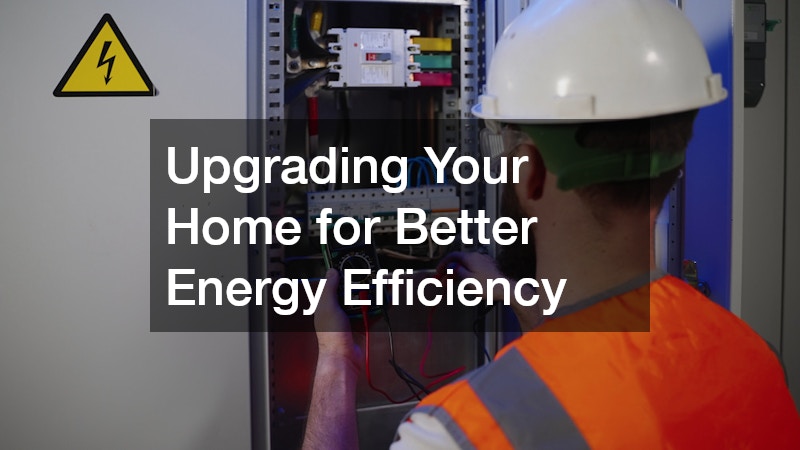

As the cost of residential electricity continues to climb and the environmental impact of household energy waste becomes increasingly apparent, homeowners are looking for ways to cut back. However, achieving true, whole-home energy efficiency means looking beyond the simple habits of turning off lights when you leave a room or washing your clothes in cold water. It requires a holistic view of your living space. To create a fully optimized environment, you have to examine how your home retains temperature, how it distributes power, and how its various systems interact with one another.
This guide serves as a comprehensive roadmap to lowering your utility bills, increasing your indoor comfort, and reducing your overall carbon footprint through strategic, actionable home upgrades. Rather than applying superficial fixes, the goal is to address the root causes of energy loss. We will outline the journey from auditing your current power and structural baseline to executing targeted structural upgrades, fortifying your home’s envelope, and integrating smart electrical systems. By taking a methodical approach to upgrading your living space, you can transform an aging, drafty, power-hungry house into a streamlined, eco-friendly sanctuary that saves you money year after year.
Conducting a Baseline Energy Audit
Before investing in new windows, high-efficiency appliances, or thick barriers for your walls, you must understand exactly where your home is losing energy. A baseline audit provides a precise snapshot of your current energy usage and highlights the invisible leaks draining your wallet.
Pinpoint Drafts and Thermal Leaks with Blower Door Tests
The majority of a home’s energy waste comes from conditioned air escaping through tiny, unnoticeable gaps. Identifying these air leaks around doors, windows, and baseboards is step one.
-
Visual and Physical Inspections: On a windy day, carefully walk the perimeter of your home’s interior. Feel for drafts near electrical outlets on exterior walls, the edges of window frames, and the bottom seals of exterior doors.
-
Professional Blower Door Testing: For a truly accurate assessment, professional testing is highly recommended. Technicians will seal a powerful fan into the frame of your exterior door to depressurize the house. This forces outside air in through all unsealed cracks and openings. By using infrared cameras alongside this test, professionals can visually map out exactly where your cold air is escaping in the summer and where your heat is vanishing in the winter.
Analyze Historical Energy Data to Find Peak Usage Times
Your utility bill is a treasure trove of data if you know how to read it. Learning to spot trends, seasonal spikes, and unusual baseline usage can guide your upgrade strategy.
-
Review Year-Over-Year Data: Compare your current usage to the same month in the previous year. If your habits haven’t changed but your kilowatt-hour (kWh) usage has spiked, an appliance may be failing.
-
Identify Peak Demand: Many utility providers charge more during peak hours. Analyzing your smart meter data can show you when your household draws the most power, allowing you to shift heavy appliance usage to off-peak hours and save money instantly.
Hire Professionals to Evaluate Hidden System Inefficiencies
Sometimes, the biggest energy drains are hidden behind drywall or tucked away in basements. This is where professional evaluations become invaluable. By bringing in qualified home inspectors who specialize in thermal imaging and energy audits, you gain a customized, prioritized roadmap of necessary repairs rather than guessing what needs fixing first. Furthermore, having local electrical services evaluate your circuits can help identify “phantom loads”—devices that draw power even when turned off—or failing, inefficient components that are silently draining power in the background.
Fortifying the Home’s Envelope
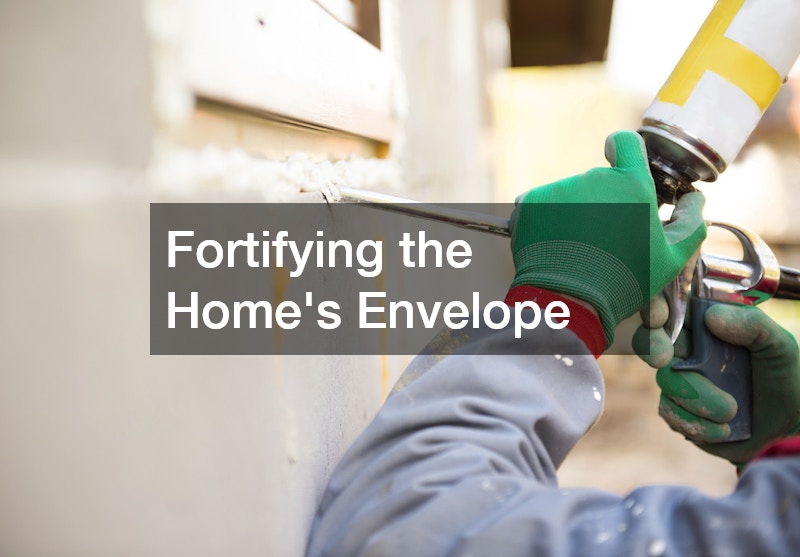
Your home’s “envelope” consists of the roof, walls, windows, and foundation. If this outer shell is compromised, your heating and cooling systems will run constantly, driving up your energy bills and shortening the lifespan of your HVAC equipment.
Seal Window and Door Gaps with Weatherstripping and Caulk
One of the most cost-effective upgrades you can make is sealing up the microscopic gaps where building materials meet.
-
Choosing the Right Weatherstripping: For sliding windows, V-strip (tension seal) is highly durable and invisible when installed correctly. For the bottoms of exterior doors, sturdy door sweeps combined with tubular rubber gaskets offer the best defense against drafts. Foam tape is an inexpensive, easy-to-apply option for the tops and bottoms of window sashes, though it may need replacing every few years.
-
Caulking Stationary Gaps: Use high-quality exterior silicone caulk for any gaps where window frames meet the siding. Inside, use a paintable acrylic latex caulk around baseboards and window trims to stop air infiltration.
Upgrade Attic and Crawlspace Barriers to Prevent Heat Transfer
Heat naturally moves to colder spaces. In the winter, your expensive furnace heat rises and escapes through a poorly insulated attic. In the summer, the blazing sun turns your roof into a radiator, pushing heat down into your living space. The solution lies in the material’s R-value, which dictates the thermal resistance of building materials. The higher the R-value, the better the material resists heat transfer.
Achieving a high R-value often requires bulky materials or specialized application techniques. Because attics and crawlspaces are notoriously difficult to navigate and properly seal, hiring experienced insulation contractors is usually the best route. They can expertly apply blown-in cellulose or spray polyurethane foam in hard-to-reach zones, ensuring there are no gaps or compressed areas that compromise the thermal barrier.
Plan for Window Replacements During Major Updates
If your home still has single-pane windows, upgrading to double- or triple-pane models filled with argon gas can drastically reduce heat transfer. Look for windows with low-emissivity (low-E) coatings, which reflect infrared light, keeping heat inside during the winter and outside during the summer. Because window replacement is a massive undertaking, it is wise to bundle these heavy-duty upgrades into broader home remodels to save on overlapping labor costs, permit fees, and construction downtime.
Optimizing Your Power Supply and Distribution

Once you have sealed your home’s envelope, the next step is ensuring that the energy flowing through your house is distributed efficiently and safely. Modern eco-friendly appliances require a robust, modernized power supply to function correctly.
Replace Outdated Breaker Boxes to Support Modern Efficient Appliances
Older homes were simply not built to handle the electrical load of the 21st century. A standard 100-amp panel from the 1980s will struggle to support modern, high-efficiency equipment like air-source heat pumps, induction cooktops, and electric vehicle (EV) chargers simultaneously. When an electrical panel is overloaded, it creates a bottleneck, generating excess heat and wasting electricity before it even reaches your devices.
Investing in electrical panel upgrades to a 200-amp or even 400-amp service is a critical first step. A modernized panel ensures that power flows smoothly and efficiently, allowing your new, green appliances to operate at their peak designed efficiency without struggling for voltage.
Install Dedicated Circuits for Heavy-Draw Heating and Cooling Units
When heavy-draw appliances share a circuit with other outlets or devices, it leads to voltage drops. To compensate for the drop in voltage, the appliance must pull more amperage to function, which generates unwanted heat in the wiring and results in power loss within the walls.
-
Protecting HVAC Systems: High-efficiency mini-splits, central air conditioners, and heat pump water heaters should never share a circuit.
-
The Solution: It is highly advised to contract a licensed residential electrician service to run dedicated lines from the breaker box directly to these major appliances. This ensures they receive a clean, uninterrupted flow of electricity, maximizing their efficiency and eliminating the safety risks associated with overloaded wires.
Integrating Efficiency into Major Additions
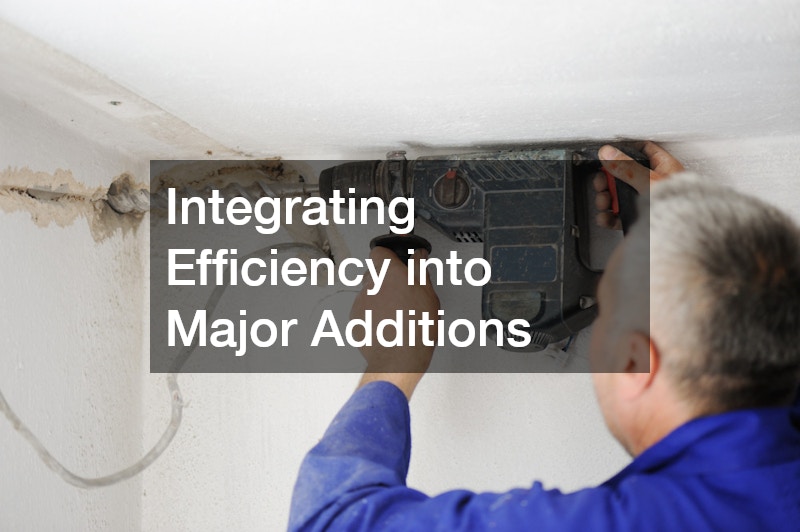
If you are planning to build an addition or construct a new dwelling from the ground up, you have the ultimate opportunity to weave energy efficiency into the very bones of the structure.
Orient New Layouts to Maximize Passive Solar Heating
Before a single nail is hammered, the physical orientation of a building can dictate its energy usage for the next century. Passive solar design harnesses the sun’s energy without the use of mechanical or electrical devices.
-
Winter Heat Gain: By utilizing large, south-facing windows, you can capture the low winter sun, allowing natural radiant heat to warm your interior spaces and taking the load off your furnace.
-
Summer Shading: To prevent overheating in the summer when the sun is higher in the sky, you can incorporate strategic roof overhangs, awnings, or deciduous landscaping that blocks direct sunlight.
Collaborating closely with a custom home builder during the blueprint phase is vital. They can use specialized software to model how the sun will hit your property year-round, optimizing the layout for natural light and thermal retention.
Select Sustainable, High-Thermal-Mass Building Materials
The materials you use to build your walls and floors play a massive role in temperature regulation. High-thermal-mass materials, such as concrete, brick, stone, and specialized dense drywall, have the unique ability to absorb heat during the warm parts of the day and slowly release it at night as temperatures drop.
-
Stabilizing Temperatures: This thermal flywheel effect naturally stabilizes indoor temperatures, meaning your air conditioner doesn’t have to work as hard during the afternoon peak, and your heater can rest during the chilly evening.
-
Sourcing Materials: When planning your project, look for vendors and home construction services that prioritize eco-friendly, energy-saving building practices. They can help you source locally manufactured brick or recycled concrete, further reducing the environmental footprint of your upgrade.
Upgrading Fixtures, Wiring, and Smart Systems
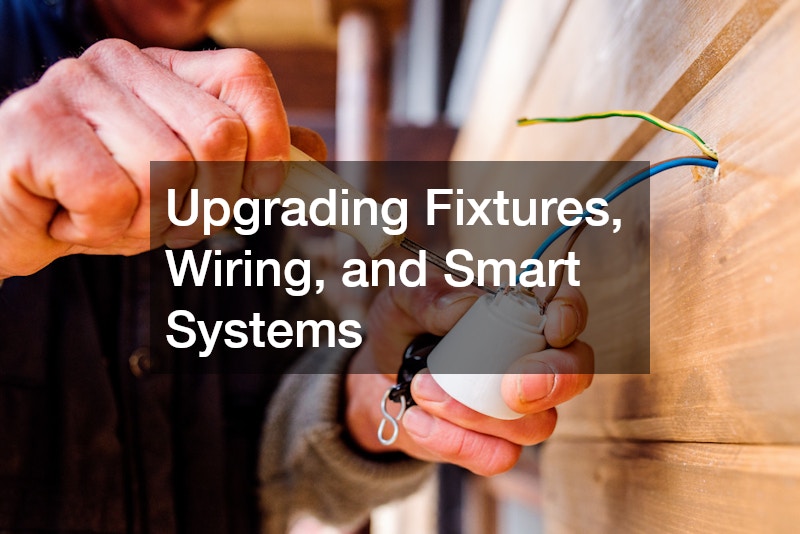
The final frontier of whole-home energy efficiency is optimizing the internal systems you interact with every day: your lighting, your climate controls, and the wiring that connects them all.
Swap Incandescent Bulbs for Comprehensive LED Retrofits
Lighting accounts for a significant portion of a home’s electricity use. Upgrading to Light Emitting Diodes (LEDs) is a simple, highly effective efficiency upgrade.
-
Wattage Savings: A traditional incandescent bulb uses 60 watts to produce 800 lumens of light. An LED bulb produces the same 800 lumens using only 9 watts. Retrofitting an entire house with LEDs cuts lighting energy consumption by up to 85%.
-
Color Temperatures: You don’t have to sacrifice ambiance for efficiency. LEDs come in various color temperatures, from warm white (2700K) for living rooms to daylight (5000K) for task lighting in kitchens and garages.
Automate Climate and Lighting with Smart Home Ecosystems
Human error—like leaving the AC blasting when no one is home or forgetting to turn off the exterior lights—is a major source of energy waste. Smart home ecosystems eliminate this variable.
-
Smart Thermostats: These devices learn your schedule and automatically adjust the temperature based on occupancy, saving up to 10-15% on heating and cooling bills annually.
-
Smart Hubs and Panels: For a truly integrated approach, consider vetting a reputable electrician company to hardwire smart hubs, occupancy sensors, and even smart electrical panels directly into your home’s grid. This allows the systems to communicate seamlessly, dynamically managing energy loads and shifting appliance usage to off-peak hours automatically.
Inspect and Repair Aging Wires to Prevent Energy Loss Through Heat
Even with the best smart systems and LED lights, you can still lose energy if the physical wiring in your walls is compromised.
-
The Physics of Voltage Drop: Over time, wires can degrade, connections can loosen, and older homes may have wiring that is simply undersized for modern electrical loads. When electricity flows through degraded or undersized wire, it faces higher resistance. This resistance converts electrical energy into heat before it ever reaches your appliance—meaning you are paying for electricity that is literally just warming up the inside of your walls.
-
Professional Evaluation: Because hidden wiring is both an efficiency issue and a severe fire hazard, it is crucial to have licensed electricians periodically evaluate your system. They can locate voltage drops with multimeters and replace degraded wiring, ensuring power moves with maximum efficiency and safety from the panel to the plug.
Conclusion
Upgrading your home for better energy efficiency is not a one-time chore, but an ongoing process of optimization. It begins with identifying the invisible leaks through a thorough audit, followed by strengthening the physical envelope of your house to keep conditioned air exactly where you want it. From there, modernizing your power grid and integrating smart, automated technologies ensures that every watt of electricity you pay for is used effectively.
While the initial investment in weatherization, heavy-duty barrier materials, and modern wiring can feel substantial, the long-term return on investment is undeniable. Energy-efficient upgrades pay for themselves year after year through permanently lowered utility bills, significantly increased indoor comfort, and a noticeable boost in your property’s resale value.
Do not let the scale of a whole-home upgrade overwhelm you. The most important step is simply taking action. Start small by examining your utility bills this week or booking a baseline energy audit. By understanding your specific usage patterns and where your home is losing power, you can pinpoint your most profitable starting point and begin the rewarding journey toward a smarter, more efficient living space.