How an Upright MRI Scanner Is Changing the Future of Medical Imaging

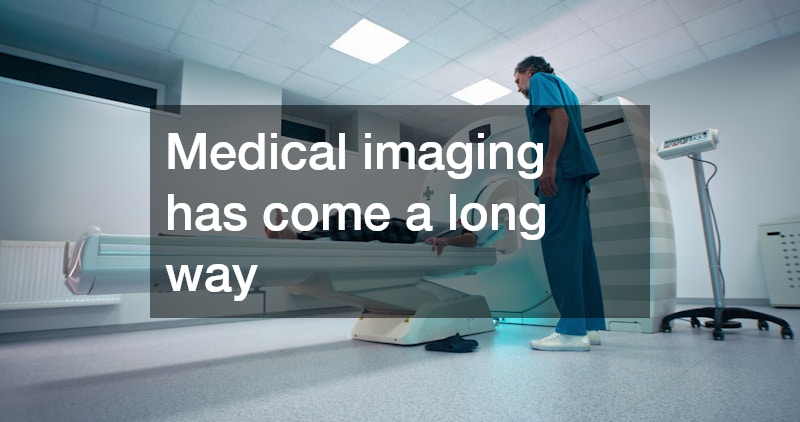
Medical imaging has continued to evolve as technology advances, giving healthcare professionals new ways to understand and evaluate the human body. For many years, traditional imaging methods have required patients to lie flat and remain still inside a machine. While these systems have provided valuable information, they may not always capture how the body functions during normal positions and everyday movements.
Modern imaging innovations are helping address some of these limitations by creating more flexible and patient-friendly options. New approaches focus on improving comfort, expanding diagnostic possibilities, and providing healthcare providers with additional perspectives when evaluating certain conditions.
The development of advanced imaging equipment represents an important shift in how medical professionals collect information. By allowing examinations to better reflect real-life body positioning, newer technologies can support a more complete understanding of musculoskeletal concerns and other health conditions. An upright MRI scanner is one example of how medical imaging continues to adapt to meet the needs of both patients and providers.
Moving Beyond Traditional Imaging Methods
Traditional MRI technology has played a major role in diagnosing injuries, monitoring conditions, and guiding treatment decisions. However, conventional MRI machines typically require patients to lie flat during the scan. While this position works well for many evaluations, it may not always show how certain parts of the body respond under normal weight-bearing conditions.
The human body changes depending on posture and movement. The spine, joints, and surrounding tissues may experience different pressures when a person is standing, sitting, or bending compared with when they are lying down. Capturing these differences can provide additional information that may be useful during an evaluation.
Advancements in imaging technology aim to provide healthcare professionals with more detailed insights. By expanding how scans can be performed, these developments create opportunities for more personalized assessments and improved understanding of complex conditions.
Improving the Patient Experience
Comfort is an important consideration in healthcare, and medical imaging can sometimes be challenging for patients. Some individuals may feel uncomfortable in enclosed spaces, while others may have difficulty remaining in one position for an extended period.
Newer imaging solutions are designed with patient comfort in mind. Allowing individuals to be scanned in a more natural position can make the process easier for people who experience discomfort when lying flat. This can be especially helpful for patients with certain mobility concerns or physical limitations.
A more comfortable imaging experience may also help patients feel less anxious during appointments. When individuals are more relaxed, they may have a better overall healthcare experience and be more willing to complete recommended evaluations.
Providing More Detailed Information for Certain Conditions
One of the most important benefits of advanced imaging technology is the ability to gather additional information. Some conditions may be affected by body position, meaning that a scan performed in a natural posture could reveal details that may not be visible during a traditional examination.
For example, weight-bearing imaging may provide insight into how the spine or joints respond under conditions that more closely resemble daily activities. This information can help healthcare providers better understand a patient’s symptoms and consider appropriate treatment options.
An upright MRI scanner can offer another perspective by showing anatomical structures in different positions. While not every patient requires this type of imaging, it can be a valuable option in situations where traditional scans may not provide a complete picture.
Supporting Advances in Diagnostic Technology
Healthcare technology continues to develop as researchers and medical professionals look for ways to improve accuracy, efficiency, and patient care. Imaging advancements are a major part of this progress because they provide essential information for diagnosis and treatment planning.
The use of innovative equipment demonstrates how technology can respond to real-world challenges in healthcare. From improving accessibility to expanding diagnostic capabilities, these advancements are helping create more flexible approaches to medical evaluation.
As technology continues to improve, future imaging systems may offer even greater levels of detail and convenience. The continued development of diagnostic tools reflects the growing focus on creating healthcare experiences that are both effective and patient-centered.
The Future of Medical Imaging
The future of medical imaging will likely continue to focus on combining advanced technology with improved patient experiences. As healthcare becomes more personalized, imaging tools will need to provide accurate information while also considering the needs and comfort of individuals.
Innovations in imaging may help healthcare professionals detect issues earlier, monitor conditions more effectively, and create treatment strategies based on more complete information. The goal is not only to improve technology but also to enhance the overall quality of care.
The continued development of tools such as an upright MRI scanner highlights the direction medical imaging is moving. By offering new ways to evaluate the body, these technologies demonstrate how innovation can contribute to better diagnostic experiences.
Medical imaging has come a long way, and ongoing advancements continue to reshape how healthcare professionals evaluate and understand the human body. Technologies that provide more flexibility, comfort, and detailed information are helping create new possibilities for diagnosis and patient care.
As healthcare technology continues to advance, imaging solutions will play an increasingly important role in supporting personalized evaluations. The ability to view the body in different positions and circumstances can provide valuable insights that complement traditional approaches.