The Benefits and Risks of Breast Augmentation Explained
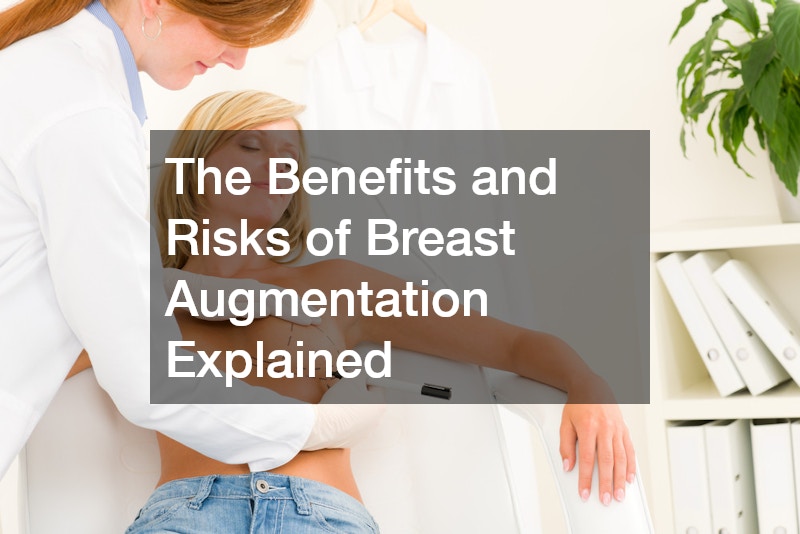

Cosmetic surgery has become an increasingly common option for individuals looking to enhance their appearance and improve body confidence. One of the most widely discussed procedures involves breast augmentation, which is often chosen by people seeking to restore volume, improve symmetry, or achieve a more proportionate figure. While the procedure is popular and widely performed, it is still a significant medical decision that requires careful thought, realistic expectations, and a clear understanding of both advantages and potential drawbacks.
Learning about the full picture helps individuals make informed choices that align with their personal goals and long-term well-being.
Understanding the Procedure and Goals
The procedure typically involves the placement of implants or fat transfer to increase breast size and improve shape. It is performed under anesthesia and tailored to each individual based on anatomy, desired outcome, and overall health. During consultation, medical professionals evaluate factors such as skin elasticity, chest structure, and lifestyle habits to determine the most appropriate approach.
The goal is not only to increase size but also to create balance and proportion within the body. Many individuals seek this type of procedure after life events such as pregnancy, weight changes, or aging, which can naturally affect breast volume and firmness. Others pursue it for aesthetic preferences or to improve symmetry between both sides of the body.
It is important to understand that results vary widely. Factors such as implant type, placement technique, and healing response all influence the final outcome. While improvements can be significant, they are not identical for every individual, and outcomes should always be viewed in the context of natural anatomical differences.
Key Benefits of the Procedure
Breast augmentation is often associated with several potential benefits that extend beyond physical appearance. One of the most commonly reported outcomes is improved self-confidence. Many individuals feel more comfortable in clothing and more satisfied with their body proportions after recovery.
Another benefit is the ability to restore volume lost due to aging, pregnancy, or weight fluctuations. Over time, natural changes in the body can lead to reduced fullness or asymmetry, and surgical enhancement can help address these concerns. Improved balance between body proportions is also a key reason many individuals choose this procedure.
In some cases, the procedure can also help correct unevenness between the left and right sides of the chest. This can create a more symmetrical appearance, which may be difficult to achieve through non-surgical methods alone. For many individuals, the combination of aesthetic improvement and psychological confidence contributes to overall quality of life.
Potential Risks and Considerations
While the procedure offers benefits, it is also important to understand the potential risks involved. As with any surgical intervention, there are possible complications such as infection, bleeding, or adverse reactions to anesthesia. Although these risks are generally low when performed by qualified professionals, they should still be carefully considered.
Other potential concerns may include changes in sensation, scarring, or complications related to healing. In some cases, additional procedures may be required in the future to address implant-related issues or adjustments. It is also important to recognize that implants are not lifetime devices and may require replacement over time.
Emotional expectations should also be considered. While many individuals experience increased satisfaction with their appearance, it is important not to view surgery as a solution to deeper emotional or psychological challenges. A balanced understanding of both physical and emotional outcomes helps ensure a healthier decision-making process.
Recovery and Healing Process
Recovery plays a significant role in the overall experience. After surgery, the body needs time to heal, and individuals typically experience swelling, tenderness, and restricted movement during the early stages. Rest and proper aftercare are essential for supporting a smooth recovery process.
Most people are advised to avoid strenuous activities and heavy lifting for several weeks. Gradual return to normal routines is guided by follow-up appointments and medical advice. Wearing supportive garments may also be recommended to assist with healing and maintain positioning during recovery.
Healing timelines vary depending on the individual and the specific surgical approach used. While initial recovery may take a few weeks, full settling of results can take several months as swelling decreases and tissues adjust.
Choosing the Right Expectations
Having realistic expectations is one of the most important aspects of preparing for surgery. While improvements in shape and volume can be noticeable, the final outcome depends on individual anatomy, skin quality, and healing response.
It is also important to understand that cosmetic enhancement does not create perfection. Instead, it aims to improve proportion and balance in a way that complements the natural body. Open communication with medical professionals during consultation helps ensure that goals are achievable and aligned with realistic outcomes.
Long-term satisfaction is often highest when individuals approach the process with a clear understanding of both benefits and limitations.
Deciding to undergo breast augmentation is a personal choice that requires careful consideration of both potential benefits and risks. While many individuals experience improved confidence, restored volume, and enhanced symmetry, it is equally important to understand the surgical risks, recovery process, and long-term considerations involved.
When approached with realistic expectations and proper medical guidance, the procedure can offer meaningful aesthetic improvements. However, informed decision-making remains essential to achieving results that feel both satisfying and appropriate for long-term well-being. Consulting with qualified professionals ensures that each step of the journey is guided by safety, clarity, and individualized care.