Protecting Your Business Assets From Operational Risks
Every business owner knows that unexpected problems can threaten the assets they have worked hard to build, whether that is a building, equipment, inventory, or the people who keep operations running. From severe weather to power failures to break-ins, operational risks come in many forms and often strike without warning. The good news is that most of these risks can be reduced significantly with the right planning, maintenance, and professional support.
This guide walks through the most common threats to business assets and practical steps you can take to protect what you have built.
Preparing Your Property for Severe Weather Events
Weather is one of the most predictable yet frequently underestimated threats to a business property. Heavy snow, ice, and freezing rain can damage roofs, block entrances, and create dangerous walking conditions for employees and customers. Businesses that operate in regions with harsh winters need a clear plan for keeping their property safe and accessible during storms. Waiting until the first snowfall to figure out a plan often leads to rushed decisions and higher costs.
Reliable commercial snow removal is one of the simplest ways to reduce liability and keep operations running smoothly through the winter months. A dependable removal schedule prevents ice buildup that can lead to slip-and-fall accidents, which are among the most common liability claims businesses face. It also protects parking lots and walkways from long-term surface damage caused by repeated freeze-thaw cycles.
- Set up a seasonal contract before winter begins rather than searching for help during a storm
- Ask about response times for both scheduled and emergency snow events
- Confirm that ice melt application is included alongside plowing
- Check that walkways and handicap-accessible areas are part of the service plan
Keeping Operations Running During Power Outages
Power interruptions can halt production, spoil inventory, and lock employees out of critical systems within minutes. For businesses that rely on refrigeration, security systems, or continuous equipment operation, even a short outage can create expensive losses. Understanding your building’s power needs before an outage happens gives you time to plan rather than react.
Investing in generator installation is one of the most effective ways to protect against these disruptions. A properly sized backup generator can keep essential systems running, from lighting and communication equipment to climate control and refrigeration units, until utility power returns. Businesses should work with a qualified electrician to calculate load requirements so the generator can handle the building’s actual demands during an outage.
- Determine which systems are considered essential versus optional during an outage
- Choose between standby and portable generator options based on building size
- Schedule regular maintenance checks so the generator works when it is needed
- Keep fuel supply arrangements in place for extended outages
Maintaining a Sound Roof Over Your Assets
The roof is one of the most important protective barriers a building has, yet it is often overlooked until a leak appears. Water intrusion can damage inventory, electrical systems, and structural components long before anyone notices a problem. Regular inspections catch small issues, like cracked flashing or worn membrane seams, before they turn into costly repairs.
Partnering with an experienced commercial roofing company for annual inspections and prompt repairs helps extend the life of the roof and prevents small leaks from becoming major structural problems. A qualified roofing team can also identify drainage issues that lead to standing water, which puts extra stress on the roofing material over time. Scheduling inspections after major storms is especially important since wind and hail damage is not always visible from the ground.
- Inspect the roof at least twice a year, ideally in spring and fall
- Check for pooling water, which can indicate drainage problems
- Look for damaged flashing around vents, skylights, and rooftop equipment
- Keep records of repairs and inspections for insurance purposes
Planning for Facility Growth and Structural Changes
As a business grows, its physical space often needs to change too. Adding storage capacity, expanding a warehouse, or renovating a retail space all involve structural work that must be handled carefully to avoid safety risks or code violations. Poorly planned construction can create long-term problems that are far more expensive to fix than they would have been to prevent.
Working with a licensed commercial construction company ensures that any expansion or renovation meets local building codes and is structurally sound for years to come. Experienced contractors can also help identify potential risks in the existing building, such as outdated electrical systems or weak load-bearing points, before starting new work. Getting multiple quotes and checking references helps business owners avoid contractors who cut corners on materials or permits.
- Verify licensing and insurance before signing any construction contract
- Ask for a detailed timeline and written scope of work
- Confirm that all necessary permits will be obtained before work begins
- Request references from similar completed projects
Protecting Indoor Air Quality and Equipment Efficiency
Heating and cooling systems affect far more than comfort; they play a direct role in protecting equipment, inventory, and employee health. A poorly maintained system can lead to sudden breakdowns, higher energy bills, and even mold growth from excess humidity. Businesses that store temperature-sensitive products are especially vulnerable to losses when climate control systems fail.
Scheduling regular commercial HVAC services helps catch small mechanical issues before they turn into expensive system failures. Routine maintenance also improves energy efficiency, which can lead to noticeable savings on utility bills over time. Business owners should keep a maintenance log and address unusual noises, smells, or temperature inconsistencies as soon as they appear rather than waiting for a full breakdown.
- Change air filters on a consistent schedule to reduce strain on the system
- Schedule professional tune-ups at least twice a year
- Monitor humidity levels in storage and production areas
- Address unusual sounds or odors quickly to avoid bigger repairs
Preserving the Appearance and Integrity of Your Building
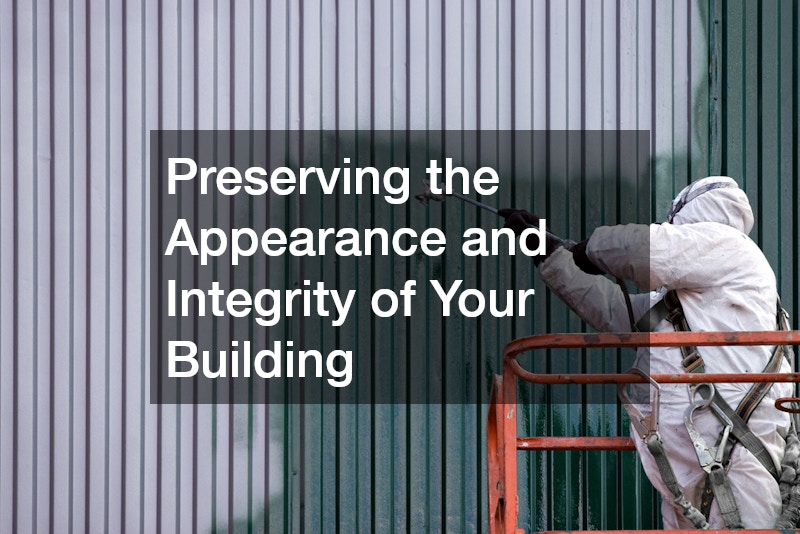
A building’s exterior and interior surfaces do more than affect appearance; they also protect underlying materials from moisture, UV damage, and general wear. Peeling paint or deteriorating surfaces can signal deeper issues, such as water intrusion or aging materials that need attention. First impressions matter for customers and clients, but the protective function of coatings matters just as much for long-term asset care.
Hiring professional commercial painting services ensures that surfaces are properly prepared, primed, and coated with materials suited to the building’s specific exposure to weather and wear. Quality paint jobs also act as a barrier against moisture, which helps prevent rot, rust, and mold growth in both wood and metal surfaces. Scheduling touch-ups every few years is far less costly than waiting until damage requires major repairs.
- Inspect exterior surfaces annually for cracking, peeling, or fading
- Address moisture stains promptly, as they often indicate a leak
- Choose coatings rated for the local climate and sun exposure
- Keep a maintenance schedule for high-traffic or high-exposure areas
Protecting Floors in High-Traffic and Industrial Spaces
Flooring in warehouses, garages, and industrial spaces takes constant abuse from equipment, foot traffic, and chemical exposure. Cracked or worn flooring is not just an appearance issue; it can create tripping hazards and even structural concerns over time. Choosing the right flooring solution depends on how the space is used and what kind of wear it experiences daily.
Many businesses turn to commercial epoxy coating because it creates a durable, easy-to-clean surface that resists stains, chemicals, and heavy equipment traffic. This type of coating also helps seal concrete against moisture penetration, which reduces the risk of cracking during freeze-thaw cycles. Because epoxy floors are less porous than bare concrete, they are also easier to keep compliant with safety and cleanliness standards.
- Assess foot and equipment traffic levels before choosing a flooring solution
- Look for coatings resistant to the specific chemicals used on site
- Schedule reapplication based on wear patterns and usage intensity
- Ensure proper surface preparation for long-lasting results
Securing Outdoor Areas and Building Access Points
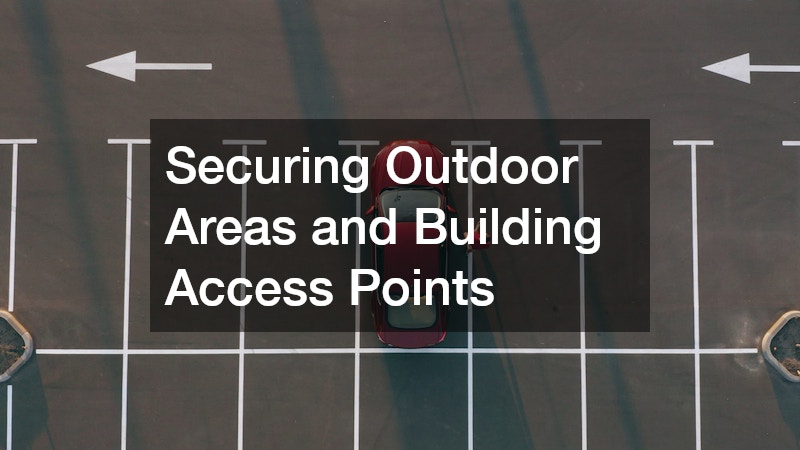
Parking lots and building exteriors are often the first areas to show wear, and they play a bigger role in safety than many business owners realize. Cracked pavement, potholes, and poor drainage create liability risks and can damage vehicles belonging to customers or employees. A single slip-and-fall claim tied to an unrepaired crack or icy patch can easily run into tens of thousands of dollars once medical costs and legal fees are factored in, making routine pavement inspections a smart, low-cost safeguard.
Drainage issues deserve particular attention, since standing water not only accelerates pavement deterioration but can also freeze in colder months and turn walkways into hazards. Scheduling seasonal inspections, ideally in spring and fall, helps catch small cracks before they widen into costly repairs or safety violations.
At the same time, poorly lit or unmonitored areas can become targets for theft or vandalism. Dim entryways, overgrown landscaping near doors, and blind spots around dumpsters or side entrances give intruders places to linger unnoticed. Installing motion-activated lighting, trimming sightline-blocking shrubs, and adding cameras at key access points are relatively inexpensive steps that can significantly reduce these risks while also giving employees greater peace of mind during early morning or late evening shifts.
Reliable parking lot paving services keep surfaces smooth and properly graded, which reduces water pooling and prevents small cracks from becoming major structural issues. Left unaddressed, even minor potholes or uneven pavement can lead to slip-and-fall injuries, vehicle damage, and expensive liability claims. Scheduling regular inspections and resurfacing every few years, rather than waiting for visible damage, helps businesses catch problems early and avoid emergency repairs that cost significantly more.
Combining this with professional security services, such as monitored cameras, access control systems, and routine patrols, gives businesses a stronger defense against both accidents and criminal activity. Strategically placed lighting throughout parking areas and walkways further discourages theft and vandalism while improving visibility for pedestrians during evening hours. Access control measures, like keycard entry or visitor check-in systems, also make it easier to track who enters a facility and when, which strengthens accountability if an incident occurs.
Together, these two measures protect the physical property while also reducing the risk of costly legal claims. Well-maintained lots paired with visible security infrastructure signal to employees, customers, and would-be intruders alike that the business takes safety seriously. That combination of prevention and deterrence often proves far less expensive than dealing with the aftermath of an accident or break-in.
- Repair small cracks and potholes in pavement before winter, since freeze-thaw cycles can expand minor damage into costly structural repairs
- Ensure adequate lighting throughout parking lots, entry points, and walkways, aiming for consistent coverage with no dark gaps near doors or dumpsters
- Install cameras at key entry points, loading docks, and blind spots, positioning them to capture faces and license plates rather than just wide shots
- Choose weatherproof, vandal-resistant camera housings for exposed outdoor locations to reduce maintenance and downtime
- Review security footage storage and access policies regularly, confirming retention periods meet insurance or legal requirements
- Limit footage access to designated personnel and audit login activity periodically to prevent tampering or unauthorized viewing
Reducing Losses in Transportation and Supply Chain Operations
For businesses that rely on shipping temperature-sensitive goods, transportation risk is just as important as risks tied to the physical building. Equipment failures during transit can spoil entire shipments, leading to significant financial losses and unhappy customers. Choosing reliable transportation partners is a key part of protecting these assets once they leave the warehouse.
Working with providers of reefer transportation services ensures that temperature-controlled goods stay within safe ranges throughout the delivery process, reducing the risk of spoilage or product loss. These specialized carriers use monitored refrigeration units and often provide real-time temperature tracking, giving business owners more visibility into their shipments. Building relationships with dependable transportation partners also reduces the risk of delays that can disrupt downstream operations.
- Confirm that carriers offer real-time temperature monitoring
- Ask about backup plans in case of equipment failure during transit
- Review delivery timelines to avoid unnecessary product exposure
- Choose partners with a proven track record in your specific industry
Conclusion
Protecting your business assets from operational risks is not about eliminating every possible problem, but about being prepared for the ones most likely to affect your property, equipment, and daily operations. Small, consistent investments in maintenance, planning, and the right professional partners often save far more money than emergency repairs after the fact. Take time to review your current risk areas, from weather preparedness to security to transportation, and address the gaps that could leave your business exposed. Acting now puts you in a stronger position to protect what you have built for years to come.