Why the Neighborhood Diner Still Beats Brunch Spots for Comfort
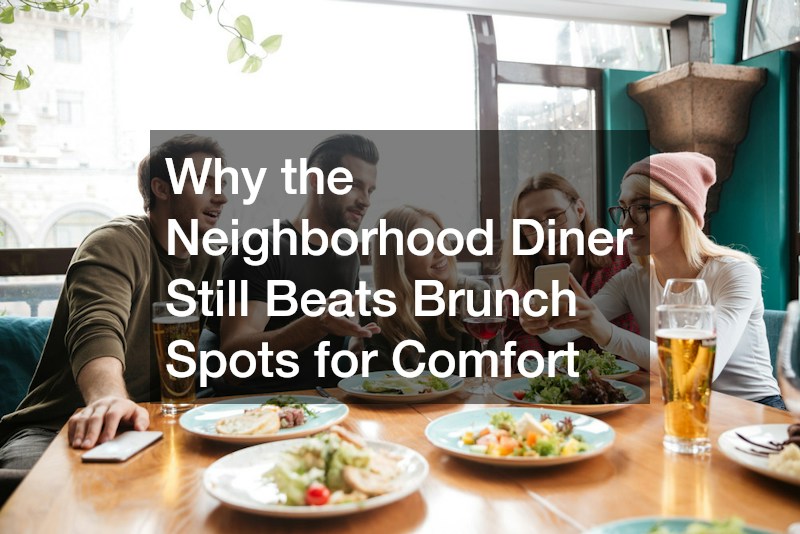

Sunday brunch spots have multiplied in nearly every city, promising bottomless mimosas and elaborate avocado toast towers, yet the lines stretch out the door and the bill climbs past what a weekend breakfast should cost. If you have ever waited forty-five minutes for a table only to feel rushed through your meal, you already understand the frustration this trend creates. There is a simpler, more satisfying alternative that has been quietly serving communities for decades without the hype. This article breaks down exactly why that old-school option still wins on comfort, cost, and genuine hospitality.
The Honest Pricing You Can Count On
One of the biggest shocks for brunch-goers is discovering that a simple plate of eggs and toast can cost fifteen dollars before tax and tip, with a mediocre coffee tacked on for another five. A classic diner, by contrast, has built its reputation on fair, transparent pricing that reflects the actual value of the food rather than the trendiness of the neighborhood. Menus are often printed with set combos, so you know exactly what you are paying before you sit down. This kind of predictability matters when you are trying to enjoy a meal without doing mental math every time the server refills your water glass.
Beyond the sticker price, there is also the matter of hidden costs that brunch culture has normalized, like mandatory service charges or minimum drink purchases tied to bottomless specials. A diner rarely plays these games, since its business model depends on repeat local customers rather than one-time social media visitors. That difference in philosophy translates directly into a more relaxed, less transactional dining experience.
- Set combo meals that bundle eggs, toast, and a side for one clear price
- No mandatory minimums or bottomless drink upsells
- Coffee refills that are often free or very low cost
- Pricing that stays consistent across weekdays and weekends
Faster Service Without the Reservation Scramble
Brunch spots have turned getting a table into a competitive sport, with some requiring reservations booked weeks in advance or apps that charge a fee just to hold your spot. This adds stress to what should be a leisurely weekend activity, especially for families or groups trying to coordinate schedules. A neighborhood breakfast counter typically operates on a first-come, first-served basis, and even during busy hours the wait rarely stretches beyond fifteen or twenty minutes. The pace inside also tends to be quicker, since the kitchen is built around efficient, repeatable dishes rather than elaborate plating that takes extra time.
This efficiency does not mean the food feels rushed or impersonal. Staff who have worked the same counter for years often know regulars by name and their usual order, which speeds up service even further. That familiarity creates a rhythm that larger, trend-driven restaurants struggle to replicate, no matter how polished their Instagram presence looks.
Consistent Comfort Food That Never Goes Out of Style
Brunch menus change seasonally to chase food trends, which means the dish you loved last spring might disappear by summer in favor of something more photogenic. Classic breakfast counters tend to keep their core menu stable for years, so the pancakes, hash browns, and omelets you remember from childhood are still there when you come back. This consistency is part of what makes the experience feel like comfort rather than novelty. People do not always want to be surprised by their food; sometimes they just want a reliable plate that tastes the way they expect.
- Classic combinations like eggs, bacon, and toast that rarely leave the menu
- Daily specials that rotate without disrupting the core lineup
- Portion sizes built for satisfaction rather than Instagram aesthetics
- Comfort staples like meatloaf or chicken and waffles available beyond breakfast hours
A Welcoming Atmosphere Built for Everyone
Many brunch destinations are designed with a specific aesthetic in mind, often catering to a younger crowd looking for a photogenic backdrop rather than a comfortable seat. This can make the environment feel exclusive or performative, which is the opposite of what most people want from a relaxing meal. A neighborhood spot typically welcomes a much wider mix of people, from retirees reading the newspaper to families with toddlers to solo diners catching up on emails. The booths are usually worn in just the right way, and nobody is going to judge you for ordering the same thing you always get.
This inclusivity extends to how staff treat guests as well. There is less pressure to dress a certain way or perform for social media, and conversations with servers tend to feel genuine rather than scripted. That kind of low-pressure environment is exactly what makes a meal feel restorative instead of exhausting.
Simple Menus That Make Ordering Easier
Scrolling through a brunch menu packed with unfamiliar ingredients and elaborate descriptions can turn a simple decision into a ten-minute debate, especially for picky eaters or those with dietary restrictions. Classic breakfast counters tend to favor straightforward menus where dishes are described plainly and ingredients are easy to identify. This transparency makes it simpler for people to find something they will actually enjoy without gambling on a dish they cannot quite picture. It also tends to be friendlier for kids, who often struggle with overly creative menu items anyway.
- Clear dish names instead of vague or overly stylized descriptions
- Easy substitutions, like swapping hash browns for fruit or toast for a biscuit
- Kid-friendly options that do not require a special children’s menu
- Fewer unfamiliar ingredients that might trigger allergies or dislikes
Local Roots That Support the Surrounding Community
Trendy brunch spots are frequently part of larger restaurant groups or franchises expanding into multiple cities, which means profits often flow outward rather than staying local. A neighborhood spot like this, on the other hand, is usually independently owned and has been run by the same family or small team for years, sometimes decades. That local ownership tends to translate into stronger relationships with nearby suppliers, more flexibility to accommodate regulars, and a genuine investment in the surrounding area. Choosing to eat there is a small but meaningful way to keep money circulating within the community rather than sending it to a distant corporate office.
Next time you are deciding where to spend your Sunday morning, weigh the cost, the wait, and the atmosphere honestly before committing to another trendy brunch reservation. A neighborhood counter offers a simpler path to the same goal: a satisfying meal, a relaxed pace, and a space where you genuinely feel welcome. Give your local spot a try this weekend and notice how much more comfortable the whole experience feels. Your wallet, your schedule, and your appetite will likely thank you for it.